
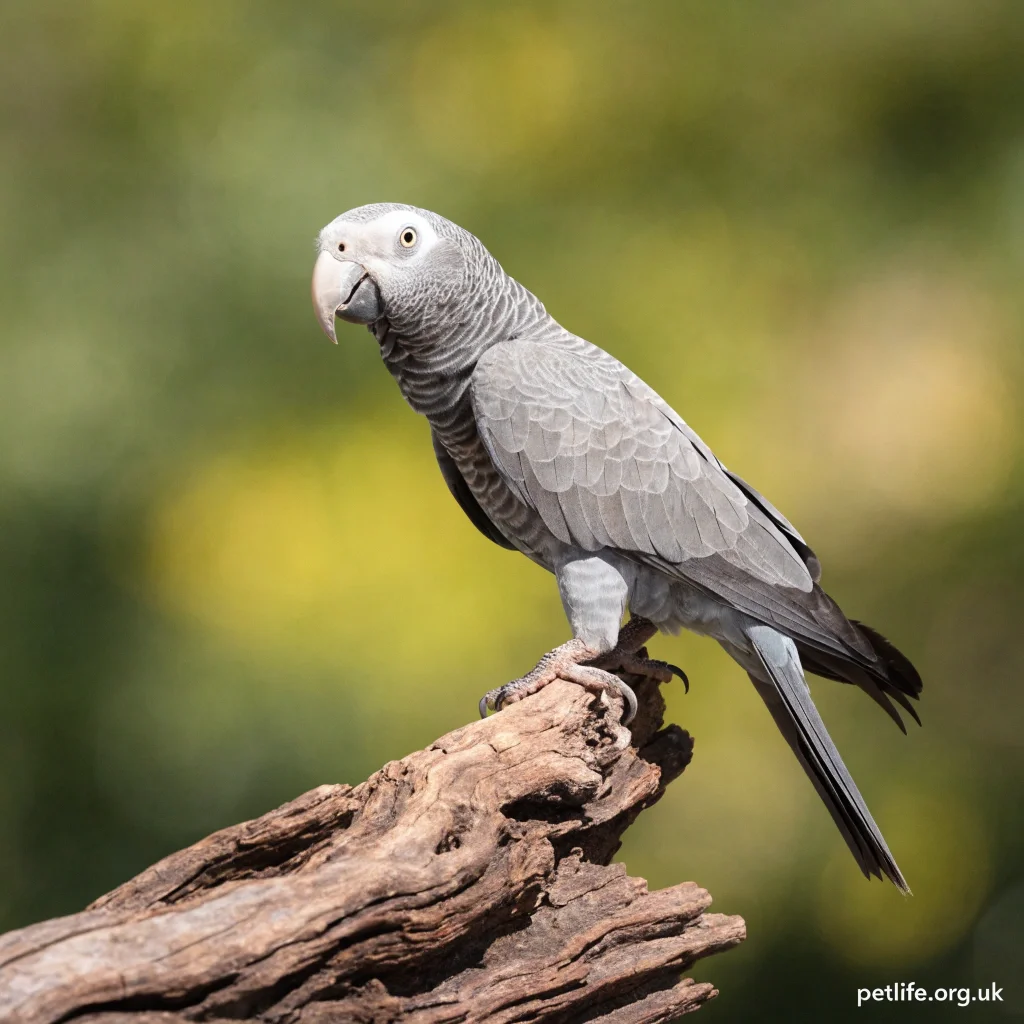
The African Grey Parrot is one of the most intelligent pet birds in the world. Known for its remarkable speaking ability, strong memory, and social nature, this bird has become a favorite among bird enthusiasts for decades.
Whether you are thinking about keeping an African Grey parrot or simply want to learn more about this fascinating species, understanding its care requirements, personality, lifespan, diet, and behavior is essential.
Unlike many other parrots, African Greys need more than food and a cage. They require daily interaction, mental stimulation, exercise, and a long-term commitment from their owners. With proper care, these birds can become loyal companions for many years.
African Grey Parrot at a Glance
| Feature | Details |
| Common Name | African Grey Parrot |
| Scientific Name | Psittacus erithacus |
| Family | Psittacidae |
| Order | Psittaciformes |
| Origin | Central and West Africa |
| Lifespan | 40–60 years or more |
| Size | 11–14 inches |
| Weight | 350–600 grams |
| Talking Ability | Excellent |
| Intelligence Level | Very High |
| Suitable for Beginners | Usually No |
What Is an African Grey Parrot?
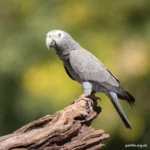
The African Grey Parrot is a medium-sized African parrot known for its gray feathers, bright tail feathers, and exceptional intelligence.
This Parrot species belongs to the Psittacidae family, which includes many popular parrots found around the world. Among all parrot groups, African Greys are often considered some of the smartest birds ever studied.
Many experts compare their learning ability to that of a young child. They can recognize words, associate meanings with objects, solve problems, and learn routines quickly.
Because of these traits, the African Grey bird is often called the “Einstein of the bird world.”
History and Origin
African Grey parrots are native to the rainforests and woodlands of Central and West Africa. Their natural range includes countries such as:
- Cameroon
- Ghana
- Congo
- Ivory Coast
- Uganda
- Kenya
For centuries, local communities have admired these birds for their intelligence and social behavior.
Today, African Grey parrots are among the most recognized companion birds worldwide.
Native Region and Natural Habitat
In the wild, African Grey parrots live in:
- Dense tropical forests
- Woodland areas
- Mangrove forests
- Forest edges
- River habitats
They often travel in small groups while searching for food and nesting locations.
African Grey parrots spend much of their day flying between feeding sites and resting areas. This active lifestyle plays an important role in their physical and mental health.
African Grey Parrot Population and Conservation Status
The African Grey parrot endangered status has become an important topic in recent years.
Wild populations have declined because of:
- Habitat destruction
- Illegal wildlife trade
- Forest loss
- Unsustainable trapping
As a result, African Grey parrots receive international protection through wildlife conservation agreements.
Responsible bird owners should always purchase birds from legal and ethical breeders.
Types of African Grey Parrots
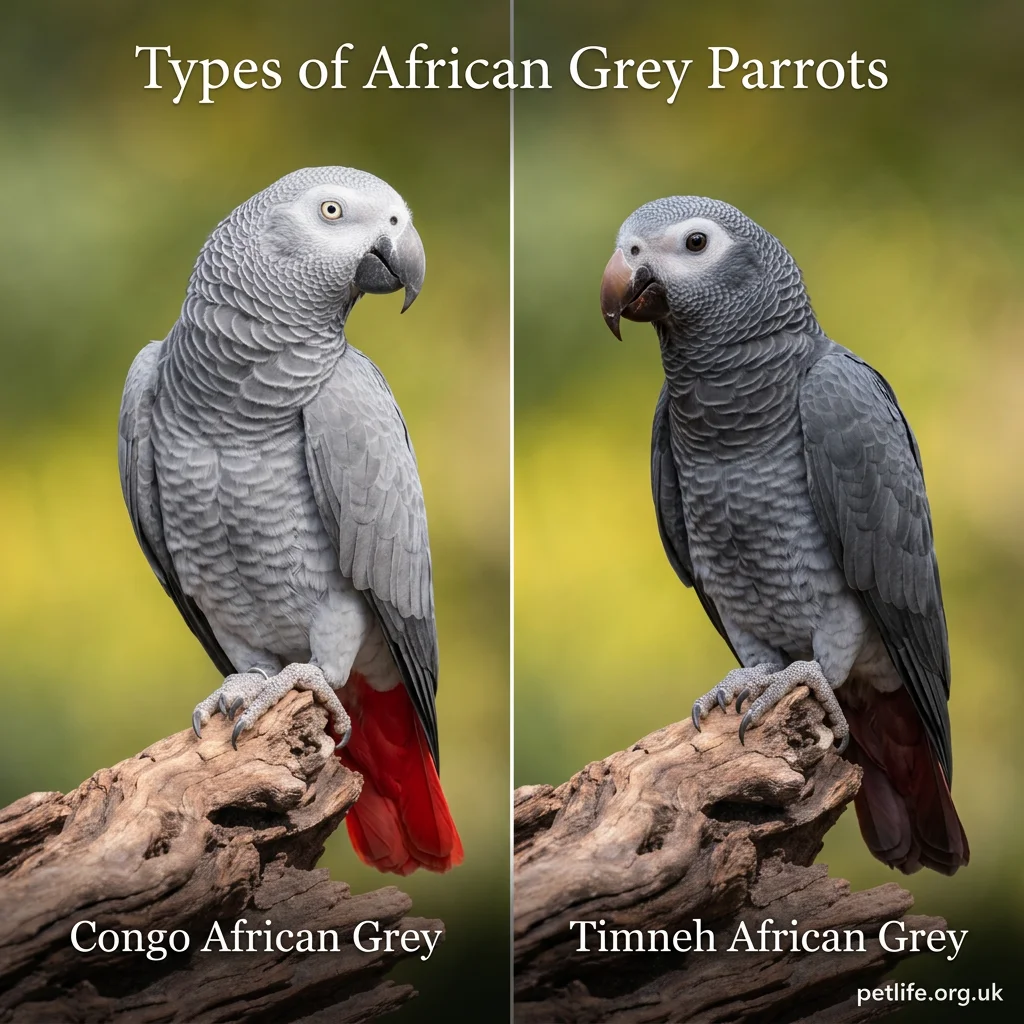
There are two recognized African grey parrot types.
Congo African Grey Parrot
The Congo African Grey Parrot is the larger and more common variety.
Characteristics include:
- Light gray feathers
- Bright red tail
- Large body size
- Black beak
The Congo African Grey is often preferred by bird enthusiasts because of its impressive talking ability and striking appearance.
Timneh African Grey
The Timneh African Grey is slightly smaller than the Congo variety.
Key features include:
- Darker gray feathers
- Maroon-colored tail
- Horn-colored upper beak
- Compact body
Many owners report that Timneh African Greys learn quickly and adapt well to family life.
Congo vs Timneh African Grey
| Feature | Congo African Grey | Timneh African Grey |
| Size | Larger | Smaller |
| Tail Color | Bright Red | Maroon |
| Weight | Heavier | Lighter |
| Popularity | More Common | Less Common |
| Learning Ability | Excellent | Excellent |
Both varieties are highly intelligent and make wonderful companions when cared for properly.
African Grey Parrot Appearance
African Grey parrots have a clean and elegant appearance that makes them easy to recognize.
Their bodies are covered with shades of gray feathers, while their tails provide a colorful contrast.
African Grey Parrot Size
African Grey parrot size typically ranges between 11 and 14 inches in length.
Adult birds have a wingspan that allows strong and efficient flight in their natural habitat.
Weight and Growth Rate
A healthy African Grey usually weighs between 350 and 600 grams.
Many owners ask, “When do African Greys stop growing?”
Most African Grey parrots reach their full size between 12 and 18 months of age, although mental development continues for several years.
Male vs Female African Grey Parrot
Visually, male and female African Grey parrots look very similar.
Without DNA testing or veterinary examination, determining the sex can be difficult.
The African Grey parrot female may have slightly different body proportions, but these differences are often subtle.
African Grey Parrot Colors
Most African Grey parrots display:
- Silver-gray feathers
- White facial skin
- Black beak
- Red or maroon tail feathers
These colors help distinguish them from many other parrot breeds.
African Grey Parrot Intelligence
African Grey parrot intelligence is one of the main reasons people are fascinated by this species.
Research has shown that these birds can:
- Learn hundreds of words
- Identify colors
- Recognize shapes
- Solve puzzles
- Understand simple concepts
Many bird experts consider the African Grey one of the smartest animals kept as a pet.
Why African Grey Parrots Are So Smart
Their intelligence comes from a highly developed brain structure that supports learning, memory, and communication.
African Grey parrots constantly observe their environment and quickly learn patterns.
This ability helps them survive in the wild and thrive in captivity.
Alex the African Grey Parrot
One of the most famous birds in history was Alex the African Grey Parrot.
Alex participated in scientific studies for many years and demonstrated impressive cognitive abilities.
Researchers found that he could:
- Identify objects
- Count numbers
- Recognize colors
- Use words appropriately
His work changed how scientists understand bird intelligence.
Problem-Solving and Learning Ability
African Grey parrots enjoy challenges.
They often learn how to:
- Open simple locks
- Complete puzzles
- Find hidden treats
- Copy household routines
Because of their intelligence, owners must provide daily enrichment activities.
Without mental stimulation, boredom-related behaviors can develop.
African Grey Parrot Personality and Behavior
African Grey parrots are affectionate, sensitive, and highly social birds.
They form strong bonds with trusted family members and often prefer spending time with people over being alone.
Typical Temperament
Most African Greys are:
- Curious
- Alert
- Observant
- Gentle
- Intelligent
They enjoy routine and may become stressed when their environment changes suddenly.
How to Get an African Grey to Like You
Building trust takes time.
To strengthen your relationship:
- Speak calmly
- Offer healthy treats
- Respect personal space
- Maintain a consistent routine
- Spend time together daily
Positive interactions help develop a strong bond.
African Grey Behavior Tips
Successful owners often follow these simple practices:
- Provide daily enrichment
- Encourage exercise
- Rotate toys regularly
- Avoid long periods of isolation
- Reward positive behavior
These habits support emotional and mental well-being.
African Grey Hormonal Behavior
Like many parrots, African Greys may experience hormonal behavior during breeding seasons.
Signs may include:
- Increased vocalization
- Territorial behavior
- Nesting interest
- Mood changes
Providing proper sleep and avoiding excessive stimulation can help manage these behaviors.
African Grey Parrot Talking Ability
Few birds can match the speech skills of an African Grey parrot.
Their ability to mimic sounds and words has made them famous worldwide.
Do African Grey Parrots Talk?
Yes. African Grey parrots are among the best talking birds.
Many individuals develop extensive vocabularies and can use words in appropriate situations.
African Grey Parrot Talking Skills
African Grey parrots often learn:
- Names
- Greetings
- Household sounds
- Phone ringtones
- Short phrases
Some birds develop vocabularies containing hundreds of words.
African Grey Parrot Singing Ability
African Grey parrot singing behavior varies by individual.
Some birds enjoy repeating melodies, whistles, and songs they hear regularly.
Their excellent memory allows them to reproduce sounds with surprising accuracy.
African Grey Parrot Lifespan
One of the biggest reasons people choose an African Grey parrot is its long lifespan.
Unlike many small tropical birds, African Greys can remain part of a family for decades. Owning one is a long-term responsibility that should not be taken lightly.
African Grey Parrot Lifespan in Captivity
A well-cared-for African Grey parrot lifespan typically ranges from 40 to 60 years.
Some birds have lived even longer when provided with:
- A balanced diet
- Regular veterinary care
- Daily exercise
- Mental stimulation
- A safe environment
African Grey Lifespan in the Wild
In their natural habitat, African Grey parrots generally have shorter lifespans due to predators, disease, habitat loss, and environmental challenges.
How Long Does an African Grey Parrot Live?
Many people search for “how long does an African Grey parrot live?”
The answer depends largely on care quality. Birds that receive proper nutrition, enrichment, and veterinary attention often live for several decades.
Factors That Affect Lifespan
Several factors influence African Grey parrots lifespan:
- Diet quality
- Cage size
- Exercise levels
- Stress management
- Access to veterinary care
- Environmental safety
Tips for Helping Your Parrot Live Longer
To support a healthy lifespan:
- Feed a balanced diet
- Provide daily social interaction
- Schedule regular health checks
- Encourage exercise
- Keep the cage clean
- Offer mental enrichment activities
African Grey Parrot Diet
The African Grey parrot diet plays a major role in health, behavior, and longevity.
Many health problems seen in pet parrots are linked to poor nutrition.
What Do African Grey Parrots Eat?
A healthy African Grey food plan should include:
- High-quality pellets
- Fresh vegetables
- Fruits
- Healthy nuts
- Limited seeds
Pellets should form the foundation of the diet because they provide balanced nutrition.
Best Vegetables for African Grey Parrots
Vegetables should be offered daily.
Good options include:
- Kale
- Spinach
- Broccoli
- Bell peppers
- Carrots
- Green beans
Fruits African Greys Enjoy
Fresh fruits can be offered in moderation.
Popular choices include:
- Apples
- Mangoes
- Bananas
- Papaya
- Blueberries
- Pomegranates
Foods to Avoid
Certain foods can be harmful or toxic.
Never feed:
- Chocolate
- Avocado
- Caffeine
- Alcohol
- Onion
- Excess salt
- Sugary snacks
Daily Feeding Schedule
A simple feeding routine may include:
Morning:
- Pellets
- Fresh vegetables
Afternoon:
- Fruits
Evening:
- Pellets
- Small healthy treats
Fresh water should always be available.
African Grey Food Chart
| Food Type | Examples | Frequency |
| Pellets | Premium formulated pellets | Daily |
| Vegetables | Kale, broccoli, carrots | Daily |
| Fruits | Apple, mango, berries | Several times weekly |
| Seeds | Mixed seed blend | Limited |
| Nuts | Almonds, walnuts | Occasional treats |
African Grey Parrot Housing Requirements
A proper living environment helps prevent boredom, stress, and health problems.
Cage Size Recommendations
African Grey parrots need large cages.
A minimum cage size should allow the bird to:
- Fully spread its wings
- Climb comfortably
- Play with toys
- Move between perches
Larger cages are always better.
Perches and Accessories
Include:
- Natural wood perches
- Food dishes
- Water bowls
- Foraging toys
- Climbing structures
Using different perch sizes helps support foot health.
Safe Indoor Environment
Keep the cage away from:
- Drafts
- Direct kitchen smoke
- Toxic fumes
- Extreme temperatures
African Greys are sensitive to environmental changes.
Can African Grey Parrots Live Outside?
Many owners ask about African Grey parrot living outside.
Outdoor aviaries can work in suitable climates, but protection from predators, weather, and temperature extremes is essential.
For most pet owners, indoor housing remains the safest option.
Toys and Enrichment
African Grey parrots are among the most intelligent birds on earth.
Because of this, they require significant mental stimulation.
Why African Greys Need Mental Stimulation
Without enrichment, an African Grey may develop:
- Feather plucking
- Excessive screaming
- Anxiety
- Destructive behaviors
Best Toys for African Grey Parrots
Popular choices include:
- Puzzle toys
- Foraging toys
- Rope toys
- Wooden chew toys
- Interactive toys
Preventing Boredom
Rotate toys regularly and introduce new activities to keep the bird interested.
Simple enrichment ideas include:
- Hidden treats
- Training sessions
- Safe climbing areas
- New puzzle challenges
African Grey Parrot Exercise Requirements
Exercise is critical for both physical and mental health.
Daily Physical Activity Needs
African Grey parrots should spend time outside the cage every day under supervision.
Indoor Exercise Ideas
Healthy activities include:
- Flying in safe rooms
- Climbing play stands
- Foraging games
- Target training
How Much Should an African Grey Weigh?
A healthy adult African Grey generally weighs between 350 and 600 grams depending on age, sex, and body structure.
Sudden weight changes should be discussed with an avian veterinarian.
African Grey Parrot Health and Common Conditions
Regular monitoring helps identify health problems early.
Feather Plucking
Feather plucking can occur because of:
- Stress
- Boredom
- Medical issues
- Lack of enrichment
Calcium Deficiency
African Grey parrots are known to be sensitive to calcium deficiencies.
Symptoms may include:
- Weakness
- Tremors
- Poor coordination
Obesity
Too many seeds and insufficient exercise can lead to obesity.
Respiratory Problems
Exposure to smoke, chemicals, and poor ventilation can affect respiratory health.
Signs of Illness
Contact a bird veterinarian if you notice:
- Appetite changes
- Weight loss
- Difficulty breathing
- Fluffed feathers
- Unusual droppings
- Reduced activity
African Grey Parrot Breeding
Breeding African Grey parrots requires experience and proper knowledge.
Behavior and Mating
During breeding season, pairs often become more territorial and protective.
African Grey Nest in Wild
Wild African Greys usually nest in tree cavities where eggs remain protected from predators.
Egg Laying
A female African Grey typically lays between 2 and 5 eggs.
Incubation generally lasts around one month.
Baby African Grey Parrot Care
Baby African Grey parrots require specialized care.
Baby African Grey Development
Young birds pass through several stages:
- Hatchling
- Nestling
- Fledgling
- Juvenile
Hand Feeding Basics
Hand feeding should only be performed by experienced caregivers.
Improper feeding techniques can lead to serious health problems.
Weaning Process
Young birds should be allowed to transition gradually to solid foods.
Rushing the process may create behavioral and nutritional issues later.
Do African Grey Parrots Make Good Pets?
African Grey parrots can make excellent companions for the right owner.
However, they are not ideal for everyone.
Advantages of Owning an African Grey
Benefits include:
- Exceptional intelligence
- Strong talking ability
- Long lifespan
- Deep bonds with owners
- Entertaining personalities
Challenges of Keeping a Grey Parrot
Potential challenges include:
- High attention needs
- Long-term commitment
- Sensitivity to stress
- Large housing requirements
- Need for mental stimulation
Are African Grey Parrots Good for Beginners?
In most cases, African Grey parrots are better suited for owners willing to invest time in training, enrichment, and daily interaction.
African Grey Parrot Price
African Grey parrot price varies widely depending on age, location, breeder reputation, and training level.
How Much Does an African Grey Parrot Cost?
The African Grey parrot cost often ranges from several hundred to several thousand dollars depending on the country and bird quality.
African Grey Parrot Price in Pakistan
African Grey parrot price in Pakistan can vary significantly based on availability, age, health status, and whether the bird is hand-raised.
African Grey Parrot Price in India
African Grey parrot price in India depends on local regulations, breeder availability, and import restrictions.
Factors Affecting Price
Key factors include:
- Age
- Health
- Training
- Talking ability
- Breeder reputation
- Location
African Grey Parrot for Sale
If you are searching for an African Grey parrot for sale, always prioritize ethical and legal sources.
Where to Buy an African Grey Parrot
Potential options include:
- Licensed breeders
- Bird specialty stores
- Rescue organizations
- Adoption centers
What to Check Before Buying
Before purchasing:
- Verify health records
- Observe behavior
- Confirm legal documentation
- Ask about diet and care history
- Evaluate living conditions
Buying responsibly helps support bird welfare and conservation.
African Grey Parrot vs Other Popular Parrots
African Grey vs Macaw
Macaws are larger and more colorful, while African Greys are often recognized for stronger talking abilities and problem-solving skills.
African Grey vs Amazon Parrot
Amazon parrots are energetic and outgoing. African Greys are usually more analytical and observant.
African Grey vs Cockatoo
Cockatoos often demand constant attention. African Greys tend to be more independent while still forming strong bonds.
African Grey vs Indian Ringneck
Indian Ringnecks are excellent talkers, but African Greys generally demonstrate more advanced cognitive abilities.
Frequently Asked Questions
Are African Grey parrots smart?
Yes. African Grey parrots are widely considered among the most intelligent pet bird species.
Can African Grey parrots talk?
Yes. Many African Grey parrots learn large vocabularies and mimic sounds with impressive accuracy.
What is the average African Grey parrot lifespan?
Most live between 40 and 60 years when provided with proper care.
How big do African Grey parrots get?
African Grey parrot size usually ranges from 11 to 14 inches in length.
What do African Grey parrots eat?
A healthy diet includes pellets, vegetables, fruits, and limited seeds and nuts.
Are African Grey parrots endangered?
Wild populations have declined because of habitat loss and illegal trapping, leading to increased conservation efforts.
Which is better, Congo or Timneh African Grey?
Both are intelligent and affectionate. The best choice depends on personal preference and lifestyle.
Do African Grey parrots make good pets?
They can be excellent companions for dedicated owners who can provide daily interaction and enrichment.
Conclusion
The African Grey Parrot is one of the most remarkable birds in the pet world. Its intelligence, talking ability, strong memory, and long lifespan make it a unique companion.
At the same time, keeping a grey parrot requires commitment, patience, and proper care. These birds need mental stimulation, social interaction, a balanced diet, and a safe environment to thrive.
For owners willing to invest the time and effort, an African Grey can become a loyal family member for decades. Understanding their needs from the beginning is the best way to build a healthy and rewarding relationship with one of the world’s most intelligent parrots.